
The Lovable Labubus Are Taking Over the Luxury Industry
And redefining what premium means

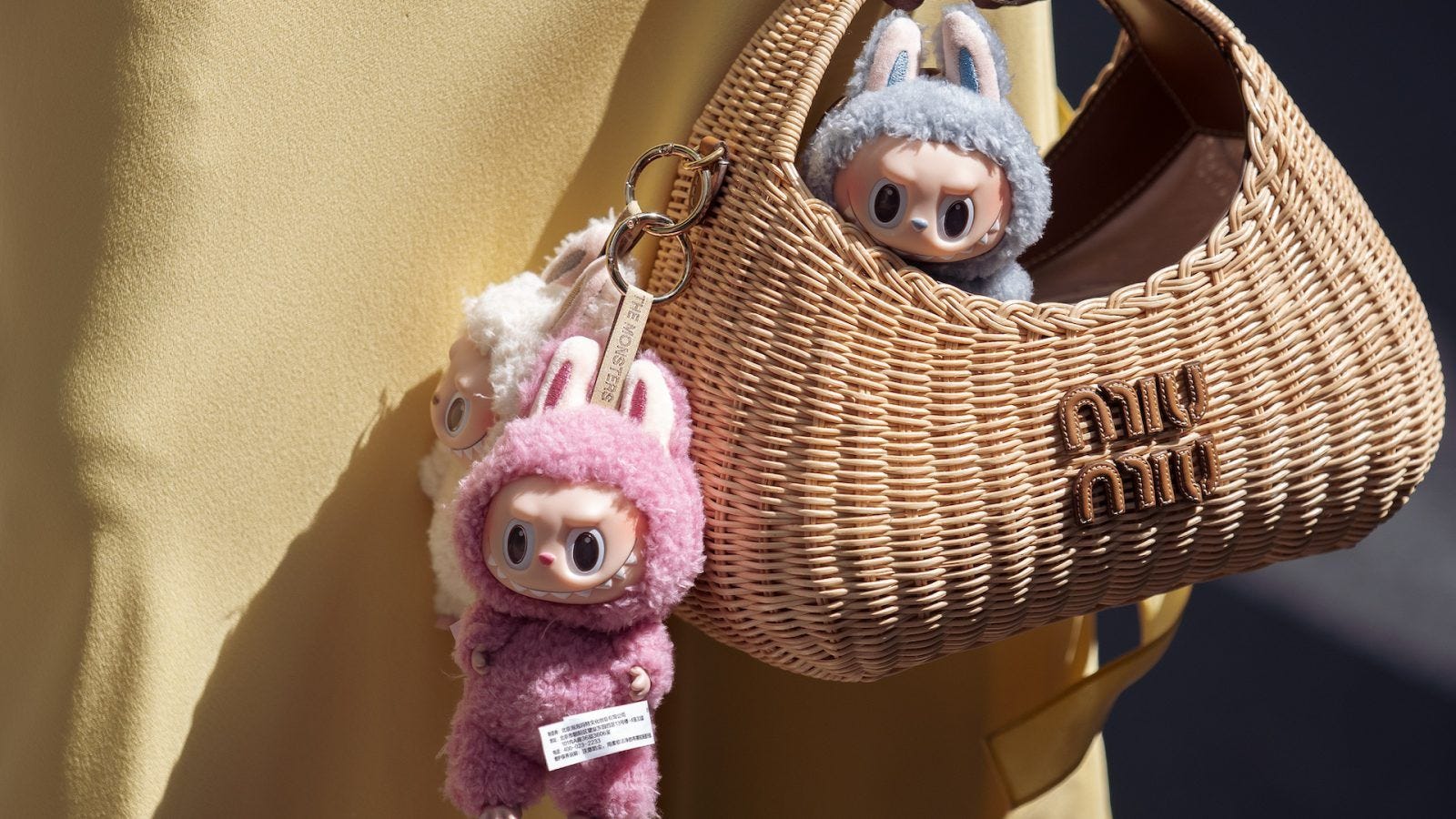
In the rarified world of luxury fashion, where heritage craftsmanship meets astronomical price tags, an unlikely new player has emerged. Meet Labubu: a fluffy-eared, sharp-toothed creature that looks more like a Halloween decoration than a luxury accessory. Yet this unassuming toy has managed to infiltrate the most exclusive circles of fashion, appearing alongside Hermès Birkin bags, gracing the arms of Thai royalty, and commanding resale prices that would make even seasoned luxury investors take notice.
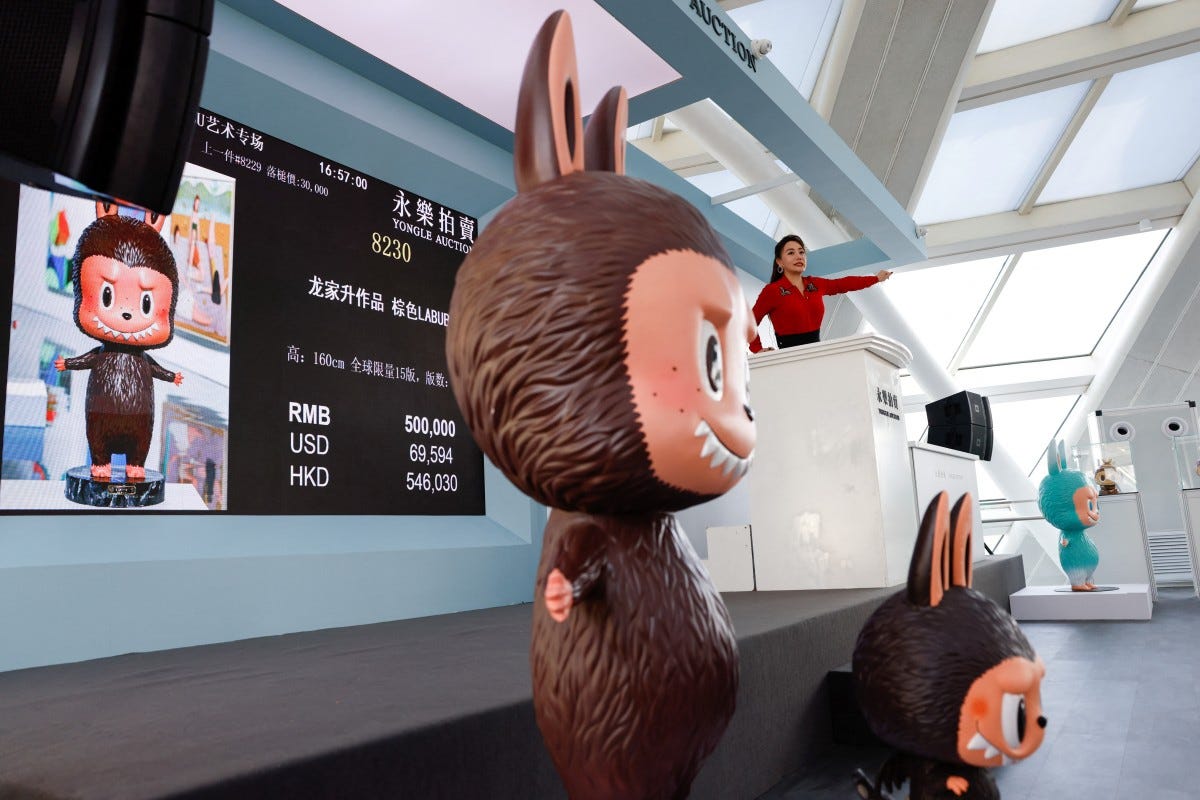
The phenomenon raises a compelling question: in an era where traditional luxury markers are being challenged, what does it mean when a life-size Labubu figure sells in China for more than $170,000 at an auction, placing it in the same price bracket as a luxury sports car or a Hermès Kelly bag?
From Artist's Vision to Cultural Phenomenon
Labubu's journey to luxury status began in the most unexpected place: the imagination of Hong Kong-based artist, Mr. Kasing Lung. Originally conceived as part of "The Monsters" series, these whimsical creatures were intended to embody the duality of childhood: simultaneously cute and slightly unsettling, innocent yet mischievous.
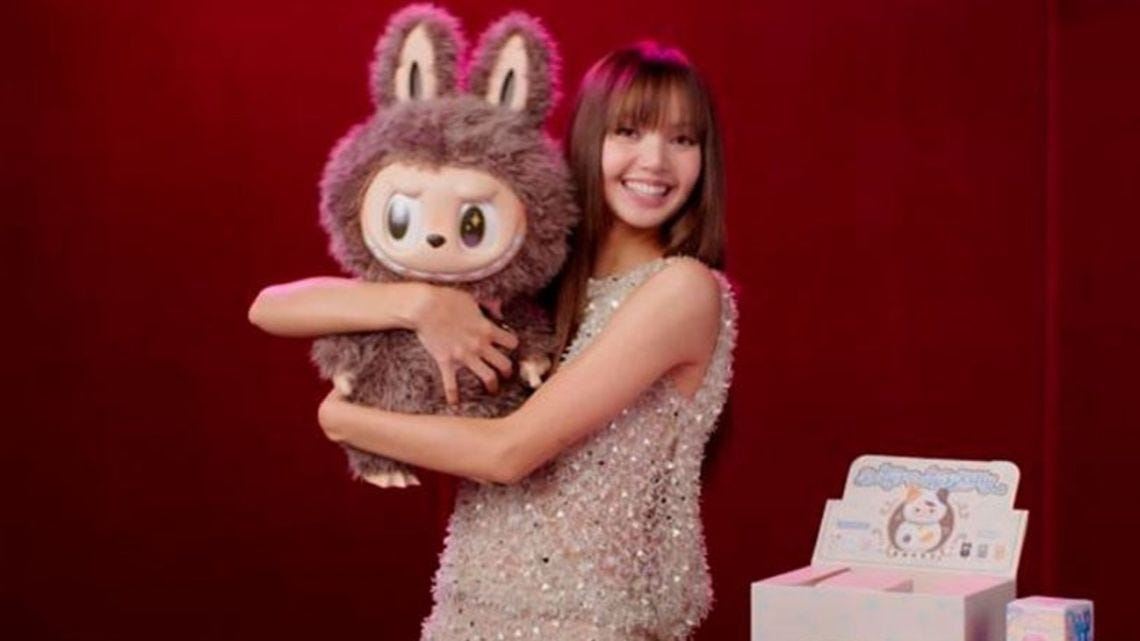
The transformation from art toy to global phenomenon began when Chinese collectibles company, Pop Mart, acquired the licensing rights and began mass-producing Labubu figures in 2019. What started as a niche collectible for art toy enthusiasts quickly evolved into something much larger when social media began amplifying the toy's appeal. The breakthrough moment came in 2024 when Lisa from the K-pop group Blackpink was photographed with a Labubu attached to her Louis Vuitton bag: a single image that sparked a global collecting frenzy.
Pop Mart's plush toys, including Labubu, experienced a revenue jump of over 1,200% in 2024, with these toys accounting for nearly 22% of the company's entire income. The numbers tell a story of rapid ascension that few luxury brands can match, achieved not through decades of heritage building, but through the viral velocity of social media and the emotional resonance of an unusual character.
The Couture Toy: When High Fashion Meets Collectible Culture
The sight of a Labubu perched on a crocodile Birkin bag might seem incongruous, but it represents a fascinating evolution in how luxury consumers express their identity. Thai Princess Sirivannavari Nariratana, a front-row regular at Fashion Week, did just this, cementing this fluffy figurine’s position as more than just a toy.
This unlikely pairing of high-end craftsmanship with mass-produced collectibles speaks to a broader shift in luxury consumption. Traditional luxury has long been about exclusivity through scarcity: limited production runs, waitlists, and hefty price tags. Labubu flips this model by creating exclusivity through randomness and chance. The blind-box format, where buyers don't know which variant they're purchasing, introduces an element of gambling that traditional luxury brands have been hesitant to embrace.
The integration of Labubu into high fashion extends beyond individual styling choices. Notable collaborations include partnerships with Uniqlo and the Chinese label Pronounce, while collectible toys are taking over fashion and replacing beauty as the new status symbol. These collaborations represent a strategic recognition by fashion brands that the cultural currency of Labubu can enhance their own desirability.
When Toys Outperform Stocks
What makes Labubu particularly fascinating from a luxury perspective is how it challenges traditional value propositions. A life-size Labubu figure has been sold in China for more than $170,000, a record for the highly sought-after toothy monster toy boosted by celebrities, whilst 48 lots fetched more than $500,000, reflecting the soft toys' rising cachet. These astronomical prices place Labubu in the same investment category as blue-chip art pieces or vintage luxury watches.
Rather than seeking products that signal traditional status markers, younger consumers are now drawn to items that express personal identity and cultural fluency. Labubu serves as a form of cultural shorthand: a way to signal membership in a global community of collectors who understand the nuances of variant hunting and the thrill of obtaining rare pieces.
The toy's success also highlights the power of emotional commerce in luxury markets. Traditional luxury brands have long relied on aspiration and exclusivity to drive desire. Labubu, by contrast, taps into nostalgia, playfulness, and the human desire for connection. The act of collecting becomes a form of social bonding, with collectors sharing hunting strategies, trading duplicates, and celebrating rare finds together.
Beyond the Hype: the Age of Viral Luxury
This rise of a viral toy like Labubu has significant implications for established luxury houses. The toy's integration into high fashion styling represents a democratization of luxury expression; anyone can afford a Labubu, but styling it correctly requires cultural knowledge and aesthetic sensibility.
The phenomenon also raises questions about the environmental implications of this new form of luxury consumption. Unlike traditional luxury goods, which are often purchased as long-term investments or heirlooms, Labubu collecting encourages rapid acquisition and turnover. Analysts predict the Labubu market could reach a $50–$100 million cap by 2030, possibly suggesting this is not a temporary trend but a sustained shift in consumption patterns.
The collectible nature of Labubu creates its own form of planned obsolescence through the constant release of new variants and limited editions. This model generates consistent revenue streams but also encourages consumption patterns that may conflict with growing environmental consciousness among luxury consumers.
The Collector's Paradox
As Labubu continues to infiltrate luxury fashion spaces, it's reshaping expectations about what constitutes a luxury accessory. The toy's success demonstrates that luxury is increasingly about cultural capital rather than material value. A limited-edition Labubu can carry the same social weight as a designer handbag, particularly among younger consumers who value cultural fluency over traditional status symbols.
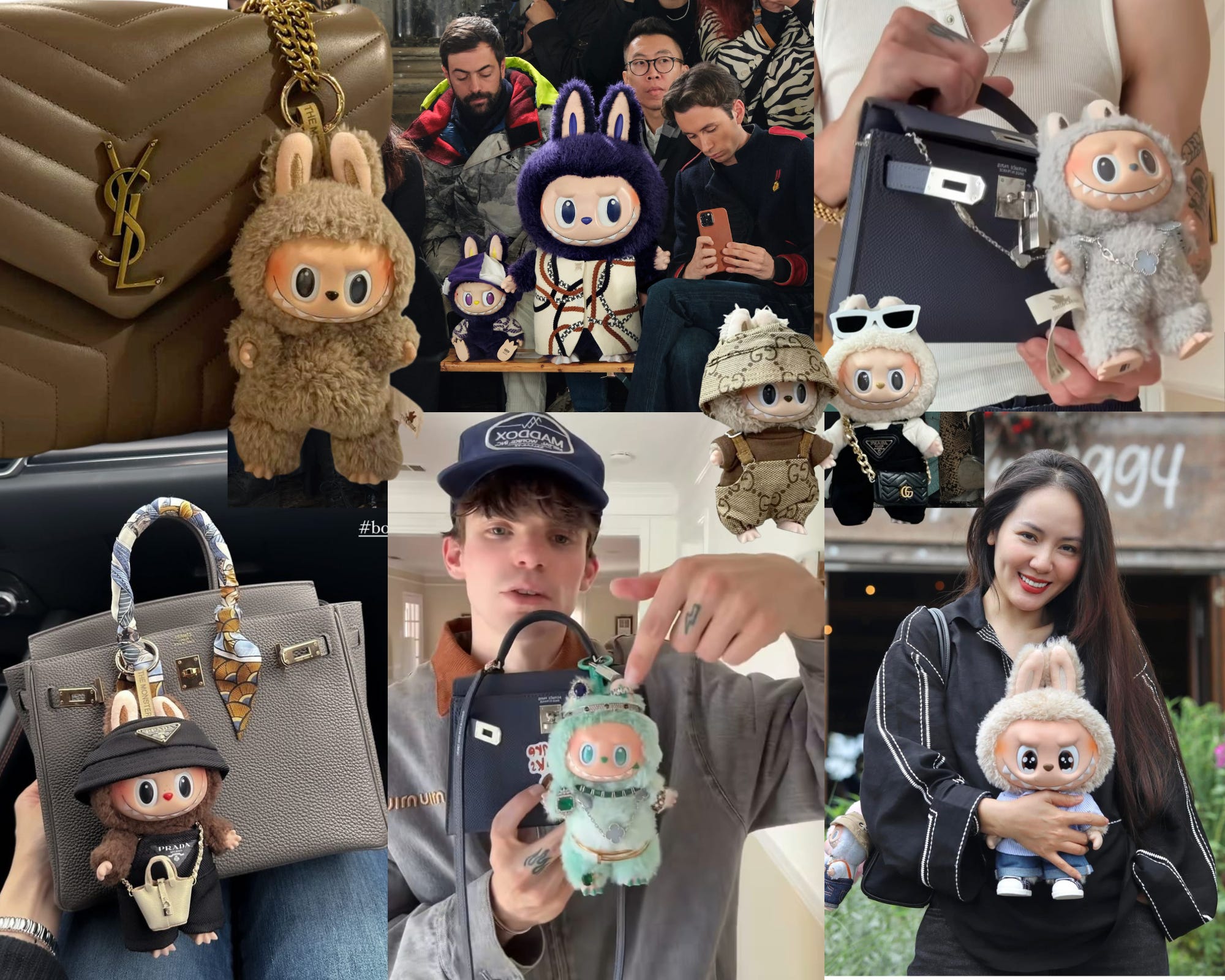
This evolution has implications for how luxury brands approach product development and marketing. The success of Labubu suggests that brands need to think beyond traditional luxury attributes and consider how their products facilitate community building and cultural expression. The toy's integration into high fashion styling shows that luxury consumers are increasingly comfortable mixing high and low, premium and accessible.
All signs indicate that limited editions, high demand, and cultural importance make Labubu a potentially smart long-term investment, suggesting that the collectible toy market may become a legitimate alternative asset class alongside traditional luxury goods.
Conclusion: A New Definition of Luxury
The ascent of Labubu from cult toy to luxury accessory represents more than just a cultural moment; it signals a fundamental reimagining of what luxury means to contemporary consumers. In an era where traditional markers of status are being questioned and democratised, Labubu offers a new model for luxury that prioritizes cultural relevance, community connection, and emotional resonance over heritage and exclusivity.
For luxury brands, the lesson is clear: the future of luxury lies not in maintaining traditional hierarchies but in understanding and adapting to new forms of value creation. Labubu's success demonstrates that luxury consumers are increasingly drawn to products that facilitate self-expression and cultural participation rather than simply signalling economic status.
As we move forward, the integration of toys like Labubu into luxury fashion spaces will likely become more common, challenging brands to reconsider their assumptions about what constitutes luxury and how value is created in contemporary markets. The lovable Labubus aren't just taking over the luxury industry: they're redefining it entirely, one fluffy-eared creature at a time.
Tell us what it is like to own a Labubu in the comments!