
The Panther that Protects What it Doesn’t Wear
Discover the power of Cartier

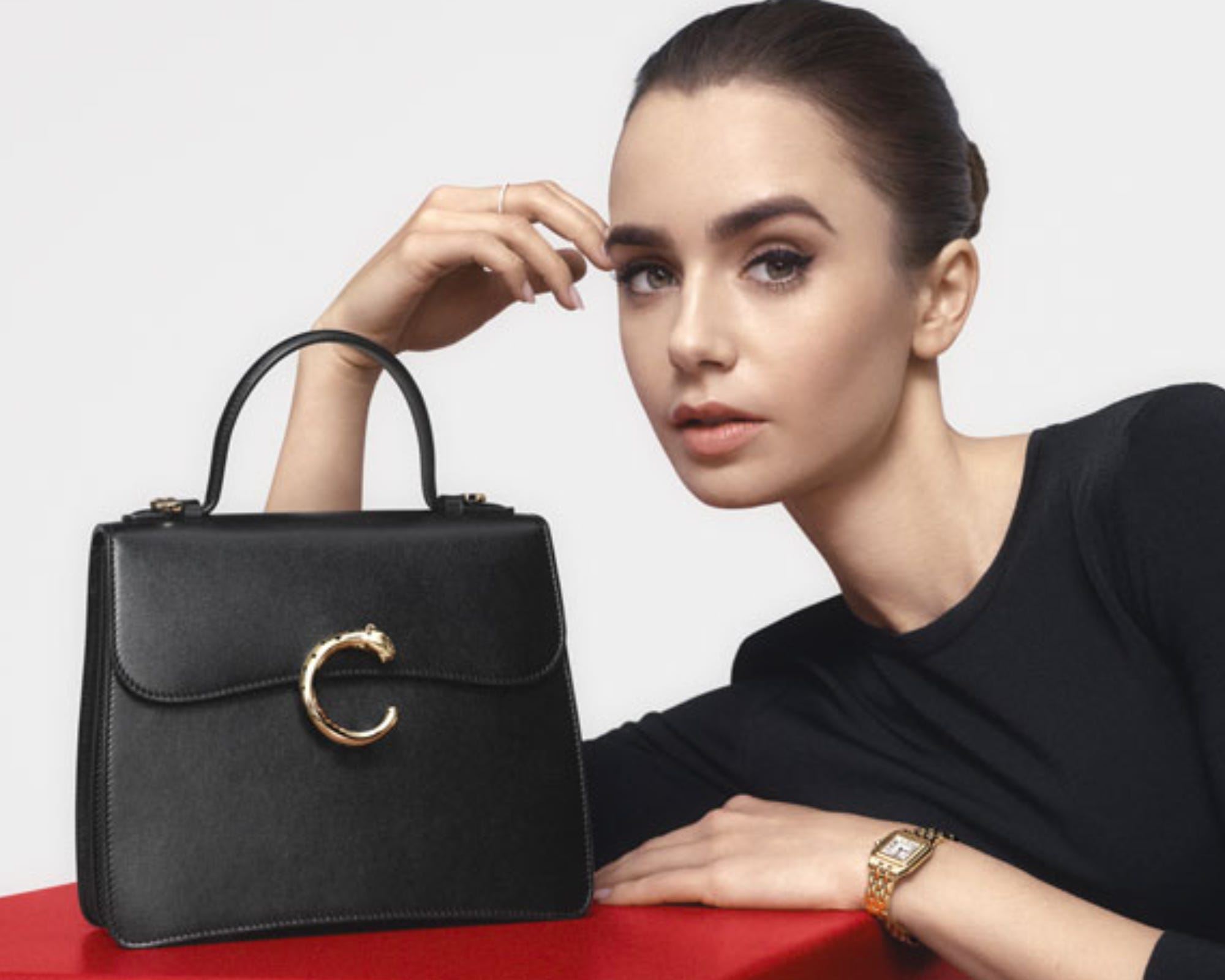
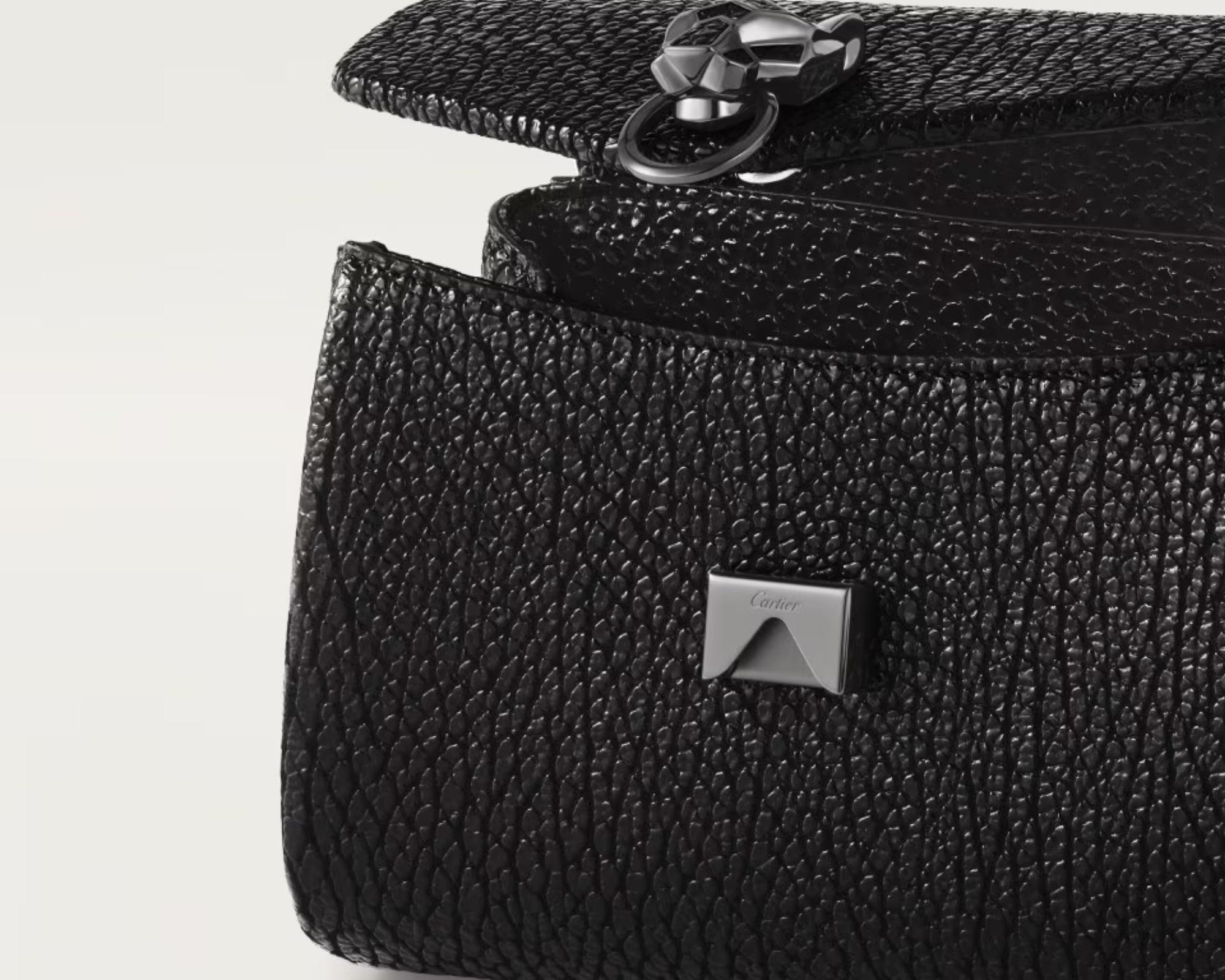
Walk into any Cartier boutique and you’ll find the Panthère de Cartier collection. Golden panther motifs crafted by artisans, built into what the press releases call fine leather: caramel calfskin, petal pink calfskin, black grained calfskin with lambskin lining.
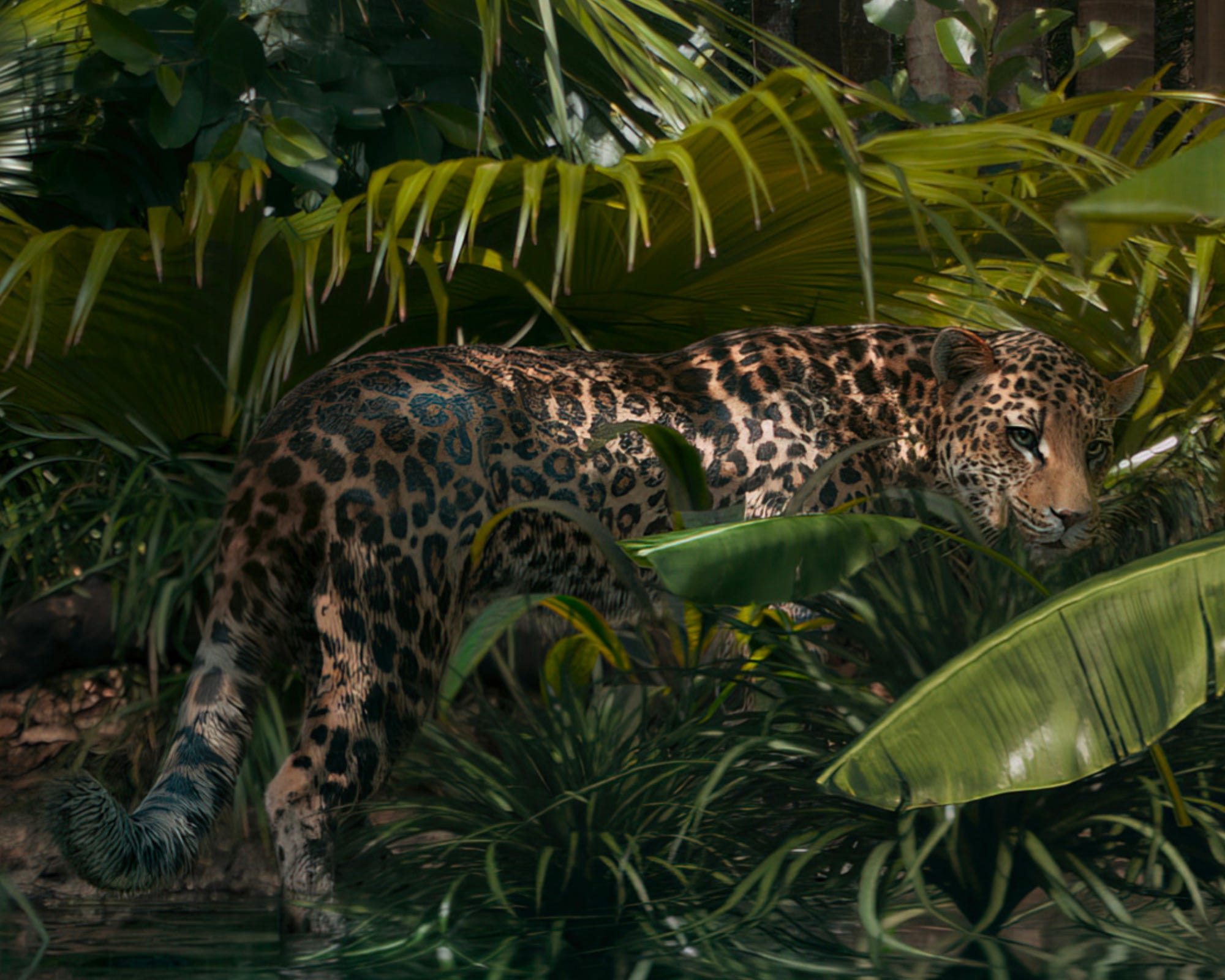
The panther, Cartier’s signature since Louis Cartier and Creative Director Jeanne Toussaint brought their fascination with felines to the Maison’s jewellery, now guards handbags. Sculptural C-shaped clasps moulded to look like panthers, dotted with black lacquer spots.
Every material listed: animal.
Meanwhile, Seven Thousand Miles Away
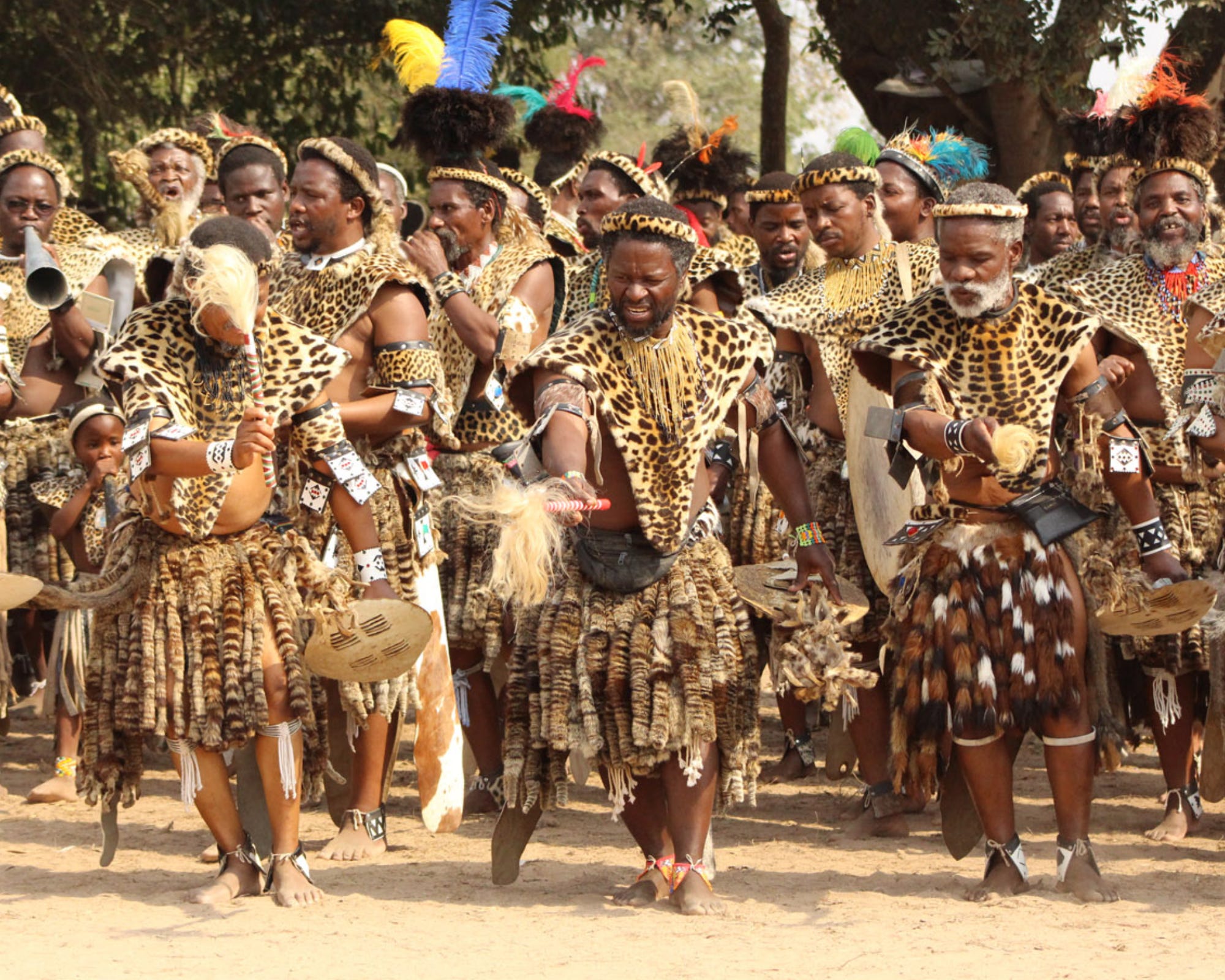
In Zambia’s Eastern Province, Panthera’s Furs for Life initiative just reached a milestone. Over 19,500 synthetic leopard capes distributed to the Shembe Church, replacing authentic leopard fur in traditional ceremonies. An estimated 7,500 wild cats saved from poaching between 2013 and 2025.
Who funded this? Cartier for Nature.
The Maison’s philanthropic arm, launched in 2020, partners with conservation organisations globally, from protecting snow leopards in China to supporting communities where humans and leopards compete for degraded land in Zambia.
At the 2025 Ncwala Ceremony, Ngoni King Mphezeni IV stated,
“I do not want our great grandchildren to live in a land depleted of animals. We have therefore partnered with Panthera, an organisation conserving wild cats, and are encouraging our people to adopt use of synthetic animal skins to ease hunting pressure on leopards.”
Synthetic skins for ceremonial regalia. Authentic calfskin for commercial handbags.
The irony writes itself.
Understanding the Ideology
Does removing animal skin reduce a luxury bag’s perceived value? The industry has operated on this assumption for centuries. But where did this ideology originate?
Historically, leather signalled wealth because tanning was laborious, material was scarce, and durability mattered when you owned three garments total. Scarcity created value.
Fast forward to 2025. We’re not constrained by scarcity. We’re constrained by perception. Perception built on centuries of association. Leather feels expensive because luxury marketing has spent decades reinforcing the connection between animal materials and prestige.
But perception shifts. Fur was the ultimate luxury until it became taboo and ivory was prestigious until it became prosecutable. The question isn’t whether perception can change. It’s who leads that change.
What Cartier Already Knows
The technology Cartier funds for ceremonial use exists commercially. Apple leather made from juice industry waste, emitting 85% less CO2 than traditional leather and mushroom leather that mimics cowhide texture without requiring animals are just 2 of those innovations.
Cartier proved willing to invest in developing and distributing synthetic leopard fur that meets cultural standards for traditional ceremonies. That required understanding ceremonial needs, respecting cultural significance, ensuring synthetic quality matched expectation.
That same capacity applied to luxury goods materials would likely yield similar results. The barrier isn’t technical capability. It’s strategic priority.
Here’s what makes this conversation worth having: Cartier’s starting position is actually strong. They evolved from mined to recycled gold. They co-launched the Watch & Jewellery Initiative 2030. They’re founding members of the Responsible Jewellery Council since 2005.
That foundation matters. The next step isn’t abandoning heritage. It’s extending the same evolutionary thinking that transformed their gold sourcing to their leather sourcing.
The Discreet Revolution
Here’s what Cartier doesn’t need to do: announce a vegan leather line with fanfare. Launch a sustainable sub-collection that screams virtue. That’s not how luxury leads. Luxury leads quietly.
Imagine this instead: Cartier commissions development of a proprietary material. Not marketed as vegan leather. Simply introduced as innovation. New material technology offering superior durability, consistent texture, lower environmental impact. The golden panther clasp stays. The craftsmanship stays. The design codes stay. Just the material evolves.
Start with twenty percent of new styles, maybe a single colourway in the C de Cartier line. Then we test response, refine material and scale gradually.
This requires treating customers as intelligent. Not deceiving them about materials. But also not making the material the story when the story should be design, craft, heritage evolving. The communication becomes educational. Boutique staff trained to explain material properties, environmental benefits, quality advantages.
Because the clients who can afford Cartier can also afford to understand nuance. They don’t need animal materials to recognise quality. They need quality to recognise quality.
Why This Defines Leadership
This conversation extends beyond one Maison. When Cartier declares recycled gold as premium, it becomes premium. When they set new standards, the industry follows.
This is power to shape what society values. Power to prove that heritage evolves. That luxury and innovation aren’t opposites. Power to educate rather than pander. Lead rather than follow.
The luxury industry stands at an inflection point. Younger consumers increasingly question material sourcing. Technology increasingly provides alternatives that match traditional materials. Conservation science increasingly documents biodiversity loss accelerated by commercial animal use.
Brands can wait for these forces to mandate change, or they can lead the change themselves.
How Cartier Could Lead
These bold steps will define the next era of luxury leadership. Here’s how:
Commission proprietary innovation with material science companies. Not adapting existing materials, but creating new ones meeting Cartier’s exact specifications. Invest at the level that matches the ambition.
Pilot within heritage lines. Introduce alternatives in existing collections like Panthère or C de Cartier. Use Cartier’s design language and craftsmanship standards. Let the material be the only variable that changes.
Set strategic targets: 30% of new leather goods using alternative materials by 2027, 60% by 2030. Make the trajectory clear and irreversible.
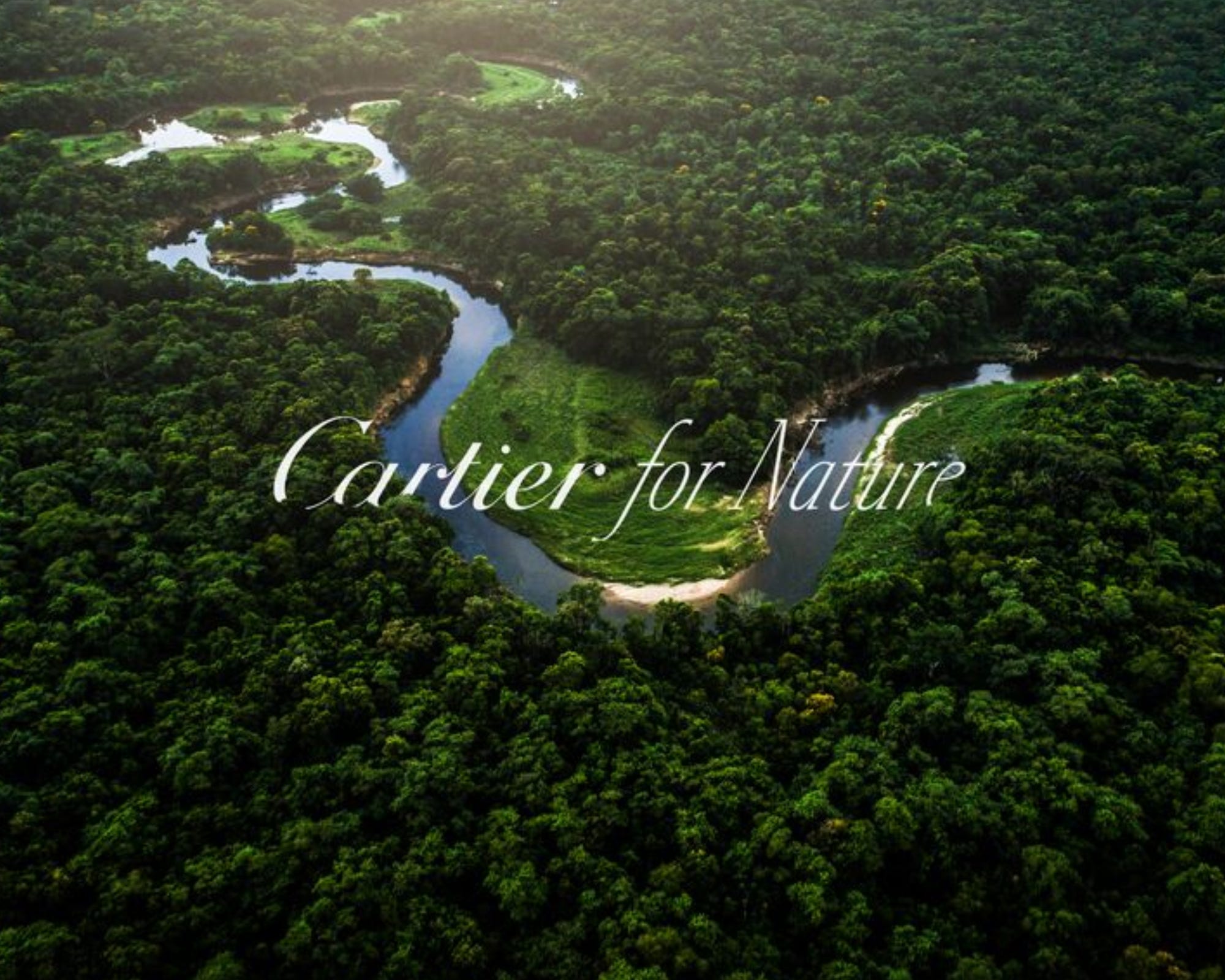
Connect conservation philanthropy with commercial innovation through Cartier for Nature. Frame material transition as extension of existing biodiversity commitment. The narrative coherence practically writes itself.
Use the Watch & Jewellery Initiative 2030 platform to establish material innovation working groups. Share research, pool resources to make it a collective transformation, not competitive advantage.
The Opportunity
Right now, Cartier’s panthers protect wildlife in conservation projects whilst their products use calfskin. That’s not a contradiction to condemn. It’s a foundation to build on.
Because Cartier has already proven they understand transformation. The infrastructure, expertise, and brand authority exist. What’s needed is the strategic decision to extend that transformation from philanthropy to commerce.
This isn’t criticism from outside looking in. It’s recognition from inside the conversation looking forward. Recognition that luxury’s next chapter will be written by brands confident enough to evolve their own standards before the market demands it.
Cartier built their reputation on innovation disguised as tradition. On being first with platinum. On creating the first modern wristwatch. On transforming how luxury thinks about responsible sourcing.
That legacy doesn’t end with calfskin. It extends beyond it.
The question is simply: who leads luxury’s next evolution? The brands forced to change by consumer pressure and regulatory requirements, or the Maisons with the vision to change because they understand where luxury needs to go?
Cartier has everything required to be the latter- the resources, heritage, conservation commitment, industry influence… I could go on and on.
The journey from conservation philanthropy to commercial transformation isn’t short. But it’s the journey that will define which brands shaped luxury’s future and which merely witnessed it.
Voilà, this is what I had to say. Now, I welcome perspectives from Cartier, conservationists, and luxury aficionados on how we can bridge innovation and tradition together.
What sustainable luxury innovations have caught your attention lately? Your observations help shape my investigations into conscious brand evolution.